Sealcoating in Wichita, KS
Sealcoating protects the asphalt you already have — a fresh coat that blocks the sun, closes the surface against water, restores the deep black finish, and slows the cracking that leads to expensive repairs on Kansas clay.
Call (316) 368-2270 for a Free Estimate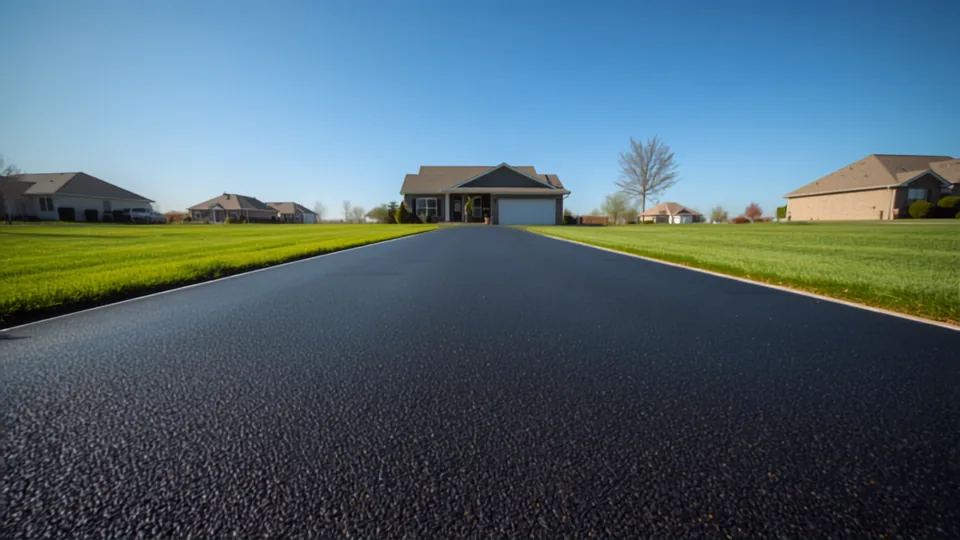
Sealcoating is protection, not repair. It is a thin protective layer applied over sound asphalt, and its job is to keep the surface from aging before its time — shielding it from the sun that dries and embrittles the binder, and sealing the top against the water that, on this clay, is behind every serious failure. It will not fix cracks or potholes; those get repaired first. What it does is buy years by keeping a good surface good.
On a healthy driveway the right rhythm is a fresh coat every two to three years. More often than that is wasted money — a driveway does not need sealing every year, and an honest crew will tell you so. Less often, and the surface oxidizes, dries out, and starts letting water in, which is where the clay and the freeze-thaw take over. The cadence matters as much as the coat itself.
What Sealcoating Does
Fresh asphalt is flexible and dark because of the binder that holds the aggregate together. Sun, air, and time oxidize that binder — the surface fades to gray, gets brittle, and starts to ravel and crack. A sealcoat lays down a protective film that blocks ultraviolet light and slows that oxidation, keeping the asphalt flexible longer so it resists cracking. It also fills fine surface voids and closes the top against water, which is the part that matters most here, because water kept out of the surface is water that never reaches the clay.
The cosmetic benefit is real too — a sealcoated driveway looks new again, a uniform deep black instead of a faded patchy gray, which is worth something on the front of a house. But the protection is the point. Sealcoating is a cheap safeguard for the far larger cost of the asphalt and base underneath, and skipping it is why some driveways need major repair years before they should.
Timing, Cure, and Weather
Sealcoat goes down in warm, dry weather and needs time to cure before the surface goes back into use — generally a day, with twenty-four to forty-eight hours the safe window before regular traffic, and it needs to stay dry while it sets. That makes the warm months the season for it, and it makes watching the forecast part of the job, since a storm on fresh sealcoat undoes the work.
New asphalt is the exception to the hurry: a brand-new driveway should cure for a season, often several months, before its first sealcoat, so the binder can harden first. After that, the two-to-three-year rhythm keeps it protected. We time the work to the driveway rather than the calendar — a surface in the sun all day ages faster than one under shade, and the right interval follows the wear, not a fixed date.
Cracks Come First
Sealcoating is not a crack repair, and pretending otherwise is a common shortcut. A sealcoat bridges hairline surface texture, but it does not fill a real crack, and a crack left open under a fresh coat keeps letting water into the base regardless of how new the surface looks. So the honest order is repair first, seal second: fill the cracks and patch any failures, then sealcoat the sound surface to protect it.
That order is also what makes the sealcoat last. Sealing over unrepaired cracks means the water damage continues underneath while the surface looks maintained, and the cracks reappear through the coat before long. Handling the cracks first, then sealing, protects both the repair and the rest of the driveway — and it is why sealcoating works best as the finishing step of maintenance, not a substitute for it.
Sealcoating protects a sound surface — it is not a fix for damage. Handle cracks and potholes first, and if the surface itself is worn past sealing, an overlay renews it. See what driveway work costs to plan the maintenance.
What’s Included
- Protective sealcoat over sound, cleaned asphalt
- Crack filling and patching handled before sealing
- Restored deep-black, uniform finish
- Every two to three years on a healthy driveway
- Driveways and lots, timed to the wear and the weather
Why It Matters in Wichita
The Kansas sun and the freeze-thaw winters age an unprotected asphalt surface fast — the sun dries and embrittles it, and once it starts letting water in, the clay underneath does the rest. Sealcoating every two to three years is the cheapest way to slow both, keeping the surface flexible and closed against moisture so the far more expensive base beneath it stays dry. It is maintenance, not repair, and it is what makes a good driveway here go the distance.
Frequently Asked Questions
How often should I sealcoat my driveway in Wichita?
Every two to three years on a healthy driveway. More often is wasted money — asphalt does not need sealing annually — and an honest crew will tell you to wait. Less often lets the surface oxidize, dry out, and start letting water in, which on this clay is where serious damage begins. The right interval follows the wear, and a driveway that bakes in full sun ages faster than one in shade.
Does sealcoating fix cracks?
No. Sealcoating is protection, not repair. It closes fine surface texture and blocks sun and water, but it does not fill a real crack or a pothole, and a crack left open under fresh sealcoat keeps letting water into the base. The right order is always repair first, seal second — fill the cracks and patch failures, then sealcoat the sound surface to protect it.
How long before I can drive on fresh sealcoat?
Generally twenty-four to forty-eight hours before regular traffic, and it needs to stay dry while it cures. That is why sealcoating is done in warm, dry weather with an eye on the forecast — rain on fresh sealcoat undoes the work. We give you the specific window for your driveway and the conditions that day.
Can I sealcoat a brand-new asphalt driveway right away?
No — let it cure first. New asphalt needs a season, often several months, before its first sealcoat so the binder can harden. Sealing too early can trap the curing process and do more harm than good. After that first cure, the two-to-three-year rhythm keeps it protected for the rest of its life.
Is sealcoating worth the money?
On a sound driveway, yes — it is cheap protection for a far more expensive surface and base. Blocking the sun keeps the asphalt flexible so it resists cracking, and closing the surface keeps water from reaching the clay, which is what causes the costly failures here. Skipping it is why some driveways need major repair years before they should.
Will sealcoating make an old, cracked driveway look new?
It will restore the color, but it will not undo real damage. On a surface that is only faded and tired, a sealcoat looks close to new. On a driveway that is cracked or failing, sealing over the problems only hides them briefly while the damage continues underneath. If the surface is worn past sealing, an overlay is the honest way to renew it.
Other Services
Free Sealcoating Estimate in Wichita
Free, no-obligation estimates across Sedgwick County. Tell us about your driveway, your cracks and potholes, or your lot.
Call (316) 368-2270Prefer to send it in writing? Call (316) 368-2270 and we’ll get right back to you.