Asphalt Overlay & Resurfacing in Wichita, KS
When the surface is worn but the base underneath still holds, an overlay lays fresh asphalt over the old — resetting the look and buying years for far less than a tear-out, on driveways and lots across Sedgwick County.
Call (316) 368-2270 for a Free Estimate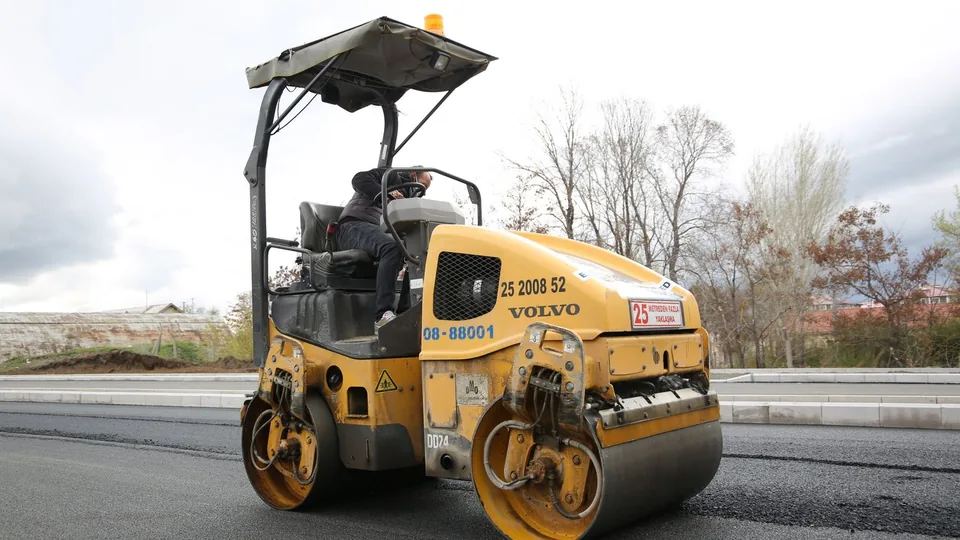
An overlay is the good version of a driveway problem. If the base is still solid and the trouble is on top — oxidation, a gray and porous look, shallow cracking, a tired worn surface — a new layer of hot-mix asphalt over the existing one restores the driveway for a fraction of what removing and replacing it would cost. Resurfacing is the same idea by another name: a fresh wearing surface fused onto a foundation that is still sound.
The whole approach lives or dies on one question, and it is the same question that decides every asphalt job here: is the base still good? An overlay over a sound base is one of the best values in paving. An overlay over a failed base is money thrown away, because the movement and cracking underneath push straight through the new layer within a season. Reading that correctly is most of the work, and it is why an honest look beats a quick quote.
What an Overlay Actually Is
An overlay adds a new layer of asphalt, usually an inch and a half to two inches thick, over the prepared existing surface. It is not a skim coat or a seal — it is real structural asphalt that renews the driving surface and, done right, bonds to the old asphalt below into a single mat. The result looks and performs like a new driveway from the surface up, while reusing the base and much of the existing structure that is still doing its job.
Because it reuses the foundation, an overlay skips the most disruptive and expensive parts of a replacement — no tear-out, no haul-off, no rebuilding the base from scratch. That is where the savings come from. It is the reason a resurface can cost a fraction of a replacement while still delivering a fresh, sealed surface that will last for years, provided the ground underneath was genuinely sound to begin with.
When It Works and When It Doesn't
An overlay works when the base is stable and the damage is limited to the surface — fading, raveling, minor cracking, and general wear. Those are surface conditions, and a new surface fixes them. It also works well as preventive renewal on a driveway that is structurally fine but has simply aged past the point where sealcoating alone keeps up.
It does not work over a failed base. Widespread alligator cracking, sunken or heaved sections, and areas that flex underfoot are all signs the foundation has gone, and a new layer of asphalt cannot substitute for a base that no longer supports it — the old cracks reflect through the new surface within a season. When we find that, we say so, because an overlay in that situation is a waste, and the honest path is repair of the failed areas or a full rebuild.
Prep Is What Makes It Last
A durable overlay is mostly preparation. The existing surface is cleaned, and any cracks are addressed so they are less likely to reflect through. Failed spots and potholes are patched and the base under them repaired first, because an overlay cannot fix a hole — it only covers one, and a covered hole comes back. Where the existing grade or the tie-in to a garage, a gutter, or the street needs it, the edges and transitions are handled so water still drains and the new surface meets the old cleanly.
On some jobs the surface is milled first — grinding off a thin layer of the old asphalt — to keep the finished height right where it meets a garage floor or a curb, and to give the new layer a clean, bondable surface. Whether milling is needed depends on the driveway. The constant is that the prep, not the paving, is what decides whether an overlay lasts its full life or lifts and cracks early.
If the base has failed rather than just the surface, an overlay is the wrong tool — see asphalt repair for the failed areas or driveway replacement for a full rebuild. A fresh overlay is also a good moment to plan sealcoating down the road.
What’s Included
- Fresh hot-mix asphalt layer over a sound existing base
- Crack repair and patching before the new layer goes down
- Milling where the finished height at a garage or curb needs it
- Clean edges and transitions so water still drains
- A renewed, sealed surface for a fraction of a replacement
Why It Matters in Wichita
A lot of Wichita driveways reach a point where the surface looks finished but the base is still sound — faded, cracking at the top, tired, but firm underfoot. That driveway does not need tearing out; it needs a new surface. An overlay renews it for far less than a replacement, and on our clay the money saved is real, provided someone checks honestly that the base underneath has not already gone.
Frequently Asked Questions
What is the difference between an overlay and a replacement?
An overlay lays a fresh layer of asphalt over the existing surface, reusing the base; a replacement tears the old driveway out and rebuilds the base before repaving. The deciding factor is whether the base is sound. If it is, an overlay costs a fraction of a replacement and lasts for years. If the base has failed, only a replacement actually fixes the problem.
How long does an overlay last?
A well-prepped overlay over a sound base can last many years — often approaching the life of a new surface, since it is real structural asphalt, not a coating. What shortens it is skipped prep or a base that was already failing, either of which lets the old cracks reflect through. Sealcoating and crack filling over time protect the overlay the same way they protect any asphalt.
Can you overlay a driveway with potholes?
Not without fixing them first. An overlay covers a hole, it does not fill it, so a pothole left in place comes back through the new surface. The failed material and any wet base are patched and rebuilt before the overlay goes down. Once the potholes are properly repaired, an overlay gives you a clean, uniform surface over the whole driveway.
Will old cracks come through a new overlay?
They can if the prep is skipped or the base has failed — that is called reflective cracking. Good prep reduces the risk by addressing cracks and patching failed areas before paving, and a sound base is what keeps new cracks from forming underneath. Over a stable base with proper preparation, an overlay stays clean; over a failed base, no overlay holds.
What is milling, and do I need it?
Milling grinds off a thin layer of the old asphalt before the overlay. It is used to keep the finished height correct where the driveway meets a garage floor, a curb, or the street, and to give the new layer a clean surface to bond to. Whether it is needed depends on your driveway and its transitions — some overlays need it, many do not.
Is resurfacing the same as an overlay?
Effectively yes — resurfacing is the general term for putting a fresh wearing surface over an existing one, and an overlay is how that is done in asphalt. Both mean renewing the surface while reusing a sound base, as opposed to a full replacement that rebuilds the foundation. The prep and the base assessment are what matter, whichever word is used.
Other Services
Free Overlay & Resurfacing Estimate in Wichita
Free, no-obligation estimates across Sedgwick County. Tell us about your driveway, your cracks and potholes, or your lot.
Call (316) 368-2270Prefer to send it in writing? Call (316) 368-2270 and we’ll get right back to you.