Asphalt Repair in Wichita, KS
Fixing the cracks, potholes, and worn patches in your driveway or lot before Kansas winters turn them into a rebuild — crack filling, pothole repair, patching, and honest advice on when a repair is enough and when it is not.
Call (316) 368-2270 for a Free Estimate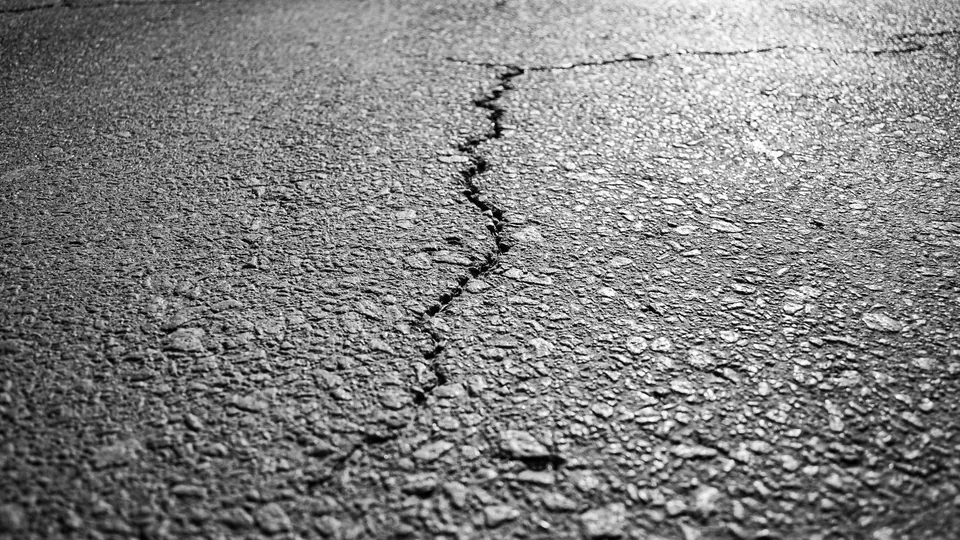
Most asphalt failures start small and cheap to fix, and get expensive only because they were left alone. A hairline crack lets water into the surface; a Kansas freeze turns that water to ice, the ice expands, and the crack widens; water gets in deeper, reaches the clay base, and once the base is wet and moving the surface above it breaks apart. The whole progression is water plus cold plus time, and repair is how you interrupt it while it is still a repair and not a replacement.
That is why this is a page in its own right and not a footnote under installation. Around here the smartest money in asphalt is usually spent on maintenance — filling a crack before winter, patching a pothole before it spreads, catching a soft spot before it becomes a hole. The incumbents in this market lead with new installs and big commercial jobs; the driveway that just needs its cracks sealed and two potholes patched is exactly the work nobody else wants and every homeowner actually needs.
Crack Filling — the Cheapest Fix There Is
A crack is a doorway for water, and on this clay, water in the base is the beginning of every serious problem. Filling cracks while they are narrow is the single most cost-effective thing you can do for an asphalt surface, because it keeps moisture out of the layers below before the freeze-thaw cycle can widen the opening. The rule of thumb is to fill a crack once it is about a quarter inch wide, and to get ahead of it before winter regardless — a crack that is holding water when the first hard freeze arrives is a crack that will be noticeably bigger by spring.
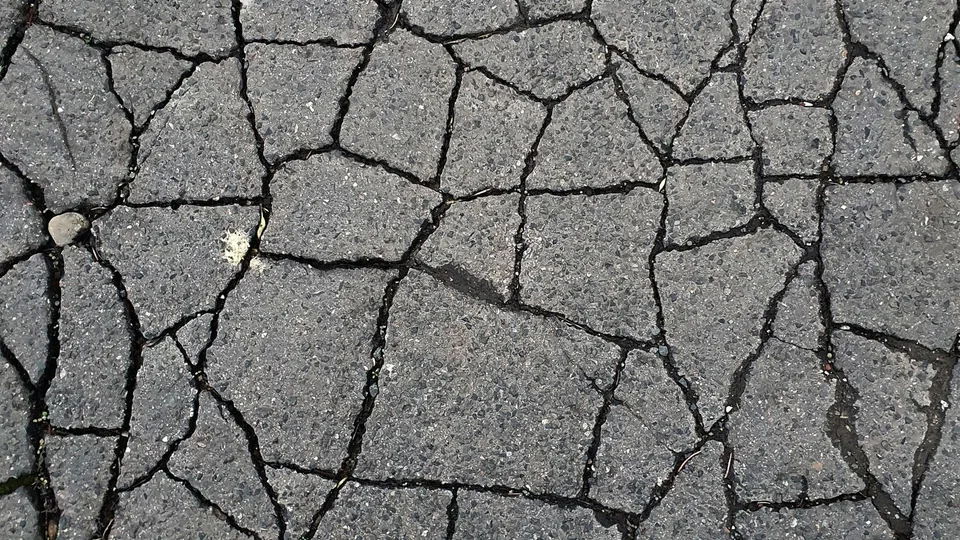
Not every crack is the same, though, and part of the job is reading which is which. A few isolated surface cracks are routine maintenance. A web of interconnected cracks that looks like the back of an alligator is a different message entirely — that pattern usually means the base underneath has already failed, and filling it is a stopgap rather than a fix. We tell you which one you are looking at instead of selling crack filler for a problem that is deeper than the surface.
Pothole Repair and Why Potholes Form Here
Potholes are a freeze-thaw story from start to finish, which is why Wichita gets a fresh crop of them every late winter. Water works down through a crack into the base, freezes, and expands, lifting the surface; when it thaws the ground settles back and leaves a void; traffic then pounds the unsupported surface until it collapses into a hole. A pothole is really the visible end of a problem that has been building underground since the first crack let water in.
A proper pothole repair deals with the cause, not just the hole. The failed material and any wet, unstable base are cut out, the hole is squared up and cleaned, fresh base and hot-mix asphalt go in, and the patch is compacted so it bonds and carries traffic instead of popping out in a season. A quick throw-and-go cold patch might get you through a few weeks, but on clay that has been moving, a repair that does not address the base underneath is a repair you will be doing again.
Patching, Soft Spots, and Alligator Cracking
Between a single pothole and a full replacement sits patching — cutting out a defined area of failed surface and rebuilding it. This is the right tool for a soft spot that flexes underfoot, a section that has crumbled at the apron or the edge, or an area of early alligator cracking that has not yet spread across the whole driveway. Catching a failing patch while it is contained keeps the damage from migrating into sound asphalt around it.
Alligator cracking is the warning sign to take seriously. When the surface breaks into a tight interconnected pattern, the base below has lost its ability to support the load, and the cause is almost always water that reached the clay and stayed there. A small area can be cut out and rebuilt. Once it covers much of the surface, though, patching is chasing a problem that has already won, and the honest conversation shifts to resurfacing or replacement — which is a call we make with you on site, not a default upsell.
When Repair Is Enough — and When It Isn't
The deciding question is always the base. If the base is still sound and the trouble is on top — cracks, a pothole or two, a worn patch, surface oxidation — repair buys years for a fraction of the cost of tearing anything out, and it is clearly the right move. If the base has failed, no amount of surface repair lasts, because the ground under the asphalt is the thing that is broken.
The tell is whether the surface is moving. A drive with a few cracks and a firm feel underfoot has a surface problem and is a repair. A drive that has spidered into widespread alligatoring, sunk in spots, or gone soft has a base problem, and the money is better spent on a resurface or a rebuild than on repeated patches. We would rather tell you a repair will hold than sell you a replacement you do not need — and we would rather be straight that a rebuild is coming than take your money for patches that will not last the year.
When the surface is sound but tired, an overlay or resurfacing resets it without a tear-out; when the base has genuinely failed, see driveway replacement. Sealing a repaired surface with sealcoating and knowing what the work costs both help you plan.
What’s Included
- Crack filling to keep water out before winter
- Pothole repair that rebuilds the base, not just the hole
- Patching of soft spots, failed edges, and crumbled aprons
- Assessment of alligator cracking — repair versus rebuild
- A straight answer on whether a repair will actually hold
Why It Matters in Wichita
Wichita is hard on asphalt in a way that rewards staying ahead of repairs. The clay under your driveway moves with the seasons, and the winters bring the freeze-thaw cycle that turns a small crack into a pothole between one spring and the next. Filling cracks before the cold and patching small failures before they spread is the cheapest way to protect the far larger investment underneath — and it is the work the driveway in front of your house most often needs and least often gets.
Frequently Asked Questions
When should I fill a crack in my driveway?
Fill it once it reaches about a quarter inch wide, and get ahead of winter regardless of width. A crack holding water when the first hard freeze arrives will widen as the water freezes and expands, so sealing it in the fall is far cheaper than repairing what it becomes by spring. Crack filling is the single most cost-effective thing you can do for asphalt on this clay.
Why does Wichita get so many potholes?
It is the freeze-thaw cycle working on our clay. Water seeps through a crack into the base, freezes and expands in the cold, then thaws and leaves a void; traffic pounds the unsupported surface until it caves into a hole. That is why potholes appear in late winter and early spring here — they are the visible end of water damage that started with a crack the previous season.
Is a cold-patch pothole repair good enough?
It is a short-term fix. A shovel of cold patch can get you through a few weeks, but on clay that has been moving it does not address the wet, failed base underneath, so it tends to pop out and need doing again. A lasting repair cuts out the failed material, rebuilds the base, and compacts fresh hot-mix so the patch bonds and carries traffic.
What does alligator cracking mean?
A tight, interconnected crack pattern that looks like alligator skin usually means the base under the asphalt has failed, almost always from water reaching the clay and staying there. A small area can be cut out and rebuilt. Once it covers much of the surface, patching is only a stopgap and the honest options are resurfacing or replacement — we tell you which situation you actually have.
Can you repair my driveway instead of replacing it?
Often, yes — and it is usually the right first question. If the base is still sound and the problems are on top, repair buys years for a fraction of a tear-out. If the base has failed, repairs will not last and a rebuild is the honest answer. The deciding factor is whether the surface is moving, and that is what we check on site before recommending anything.
How do I know if the damage is surface or base?
The feel tells you a lot. A driveway with a few cracks that is still firm underfoot has a surface problem you can repair. One that flexes, has sunk in spots, or has spidered into widespread cracking has a base problem, and surface repairs on it will not hold. We read the pattern and the movement together, because the same crack can mean two very different things depending on what is happening below it.
Other Services
Free Asphalt Repair Estimate in Wichita
Free, no-obligation estimates across Sedgwick County. Tell us about your driveway, your cracks and potholes, or your lot.
Call (316) 368-2270Prefer to send it in writing? Call (316) 368-2270 and we’ll get right back to you.